Yes, red light therapy (RLT) has scientific support. That does not mean every light panel treats every condition. Researchers use the term photobiomodulation: red or near-infrared light is applied to a defined area at a defined dose. Some outcomes have favourable results in clinical studies.
Where is the evidence clearest?
An umbrella review of randomised trials found moderate-certainty evidence for outcomes including higher hair density in androgenetic alopecia and less disability in knee osteoarthritis. A clinical consensus also lists selected applications in peripheral neuropathy, wound care and acute radiation dermatitis. These uses involve a diagnosis and a defined protocol; they are not the same as treating a medical condition with a home panel on your own.
Research on skin texture, muscle recovery and other goals is promising, but results vary by outcome and protocol. RLT is a serious light-based approach with several studied uses, not a universal cure.
Why choose a red/NIR panel?
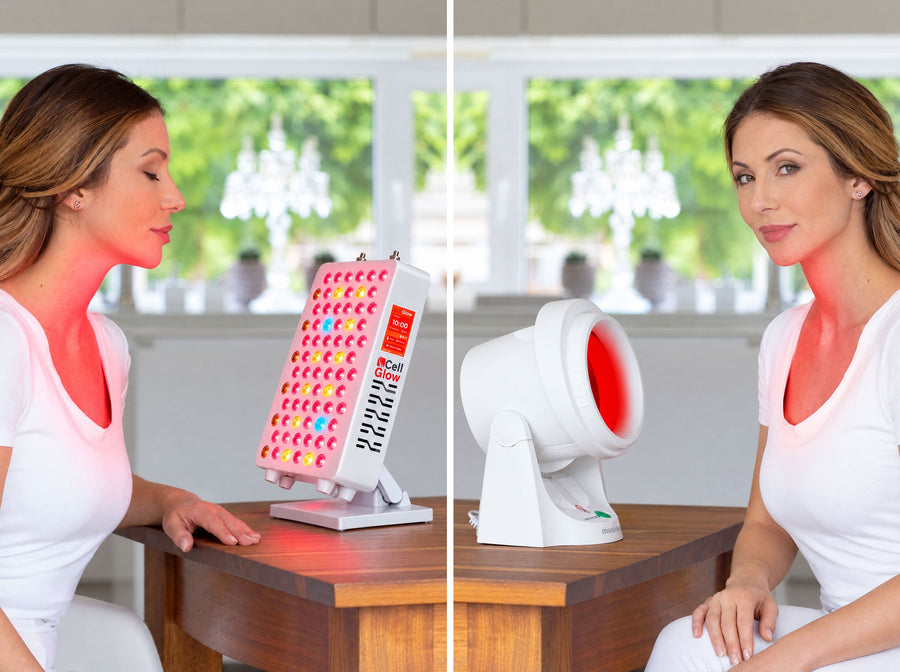
A panel lets you control the light source. You can select red and near-infrared light, illuminate the intended body area and build a repeatable routine. For home RLT, this offers more scope than a lamp chosen mainly for warmth. Cell Glow Custom panels offer individually adjustable wavelengths and several sizes. Choose a size for the area you want to illuminate, not for the biggest medical promise.
What do we hear at Cell Glow?
After a trial period, customers regularly tell us they want to keep using their panel because it fits their routine and they value the sessions. This is our practical experience, not a clinical measurement or a promise to someone else. A good choice starts with your own goal and verifiable specifications.
How to assess a claim
- Ask which outcome was measured in people: skin, hair, pain and function are different goals.
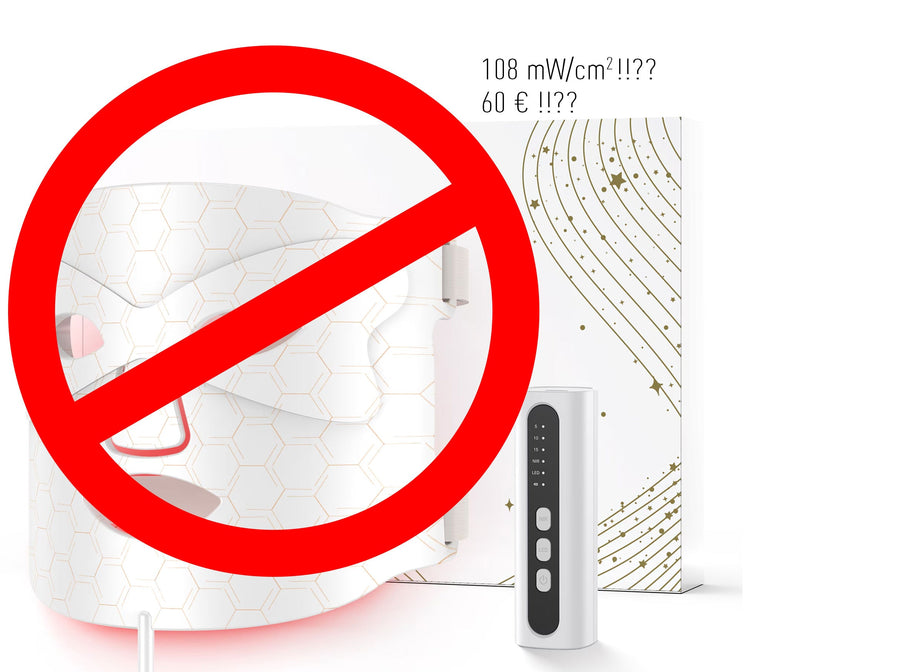
- Check the device and dose: wavelength, measured intensity, distance and duration determine exposure. Dose-response research shows that more is not always better.
- Distinguish a clinical protocol from a home routine. Illness or a wound that is healing poorly needs professional assessment first.
Ready to begin with a clear purpose? Compare the Cell Glow panels or ask us about size and use.
Photobiomodulation research supports selected applications, but does not prove a medical effect for every consumer panel or every user.