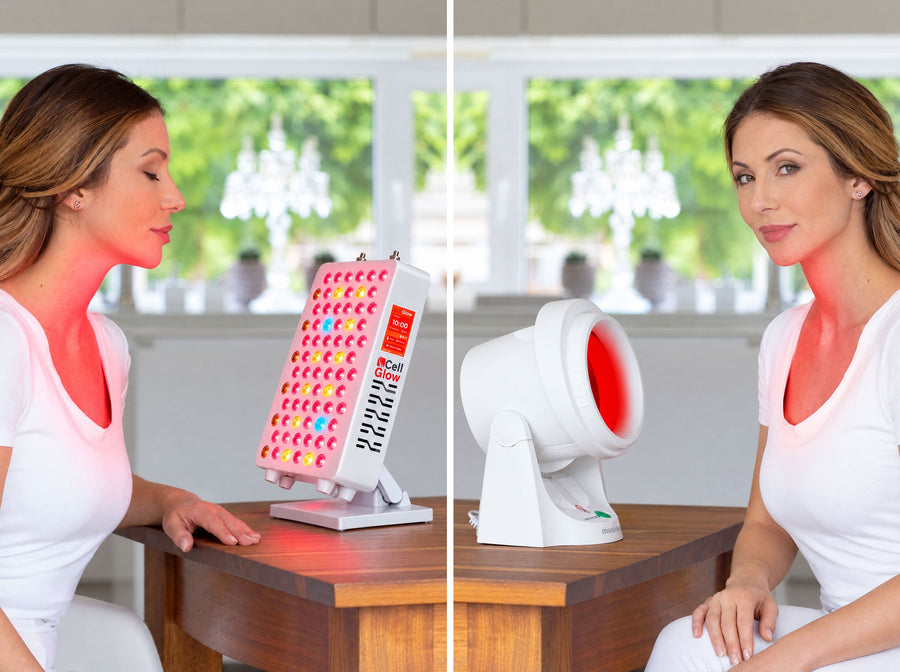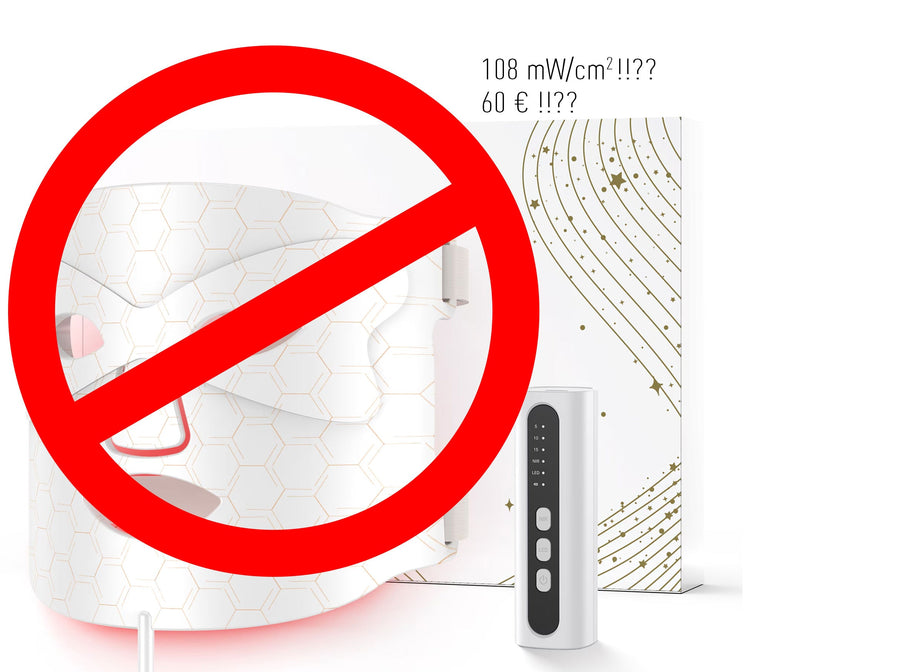
The direct answer: a red light panel is not a proven treatment for the liver, kidneys, heart or intestines. Red and near-infrared (NIR) light are absorbed and scattered as they pass through tissue. The fact that NIR can penetrate relatively farther does not prove that an organ receives an effective dose or functions better. For other goals, RLT is a worthwhile and studied option.
What can RLT offer?
Human photobiomodulation research covers hair density, skin, pain and function. An umbrella review found moderate-certainty evidence for selected outcomes, including hair density in androgenetic alopecia and disability in knee osteoarthritis. A clinical consensus also identifies applications in wound care and peripheral neuropathy. These are defined conditions and protocols, not proof that a home panel treats internal organs.
Why does “deeper” not mean “effective for organs”?
A light-penetration model shows that wavelength and beam width affect light transport. Skin, fat, blood, distance and output also matter. Even when light is measurable at a depth, a clinical effect must be demonstrated separately. Read our guide to light penetration for more detail.
When is a Cell Glow panel a good choice?
Choose RLT if you want an adjustable light source for a repeatable routine and goals for which red or NIR light has been studied. Cell Glow Custom panels let you adjust wavelengths separately and come in sizes for smaller or larger treatment areas. Match the size to your goal. If you have an organ-related concern or unexplained symptom, seek medical assessment first; a panel must not delay diagnosis.
Cell Glow presents RLT as targeted light use, not a proven treatment for internal organs.