Are more wavelengths automatically better? No. A panel with eight or nine wavelengths offers flexibility, but the number alone does not prove better results. Match wavelength and dose to your goal.
Which wavelengths matter?
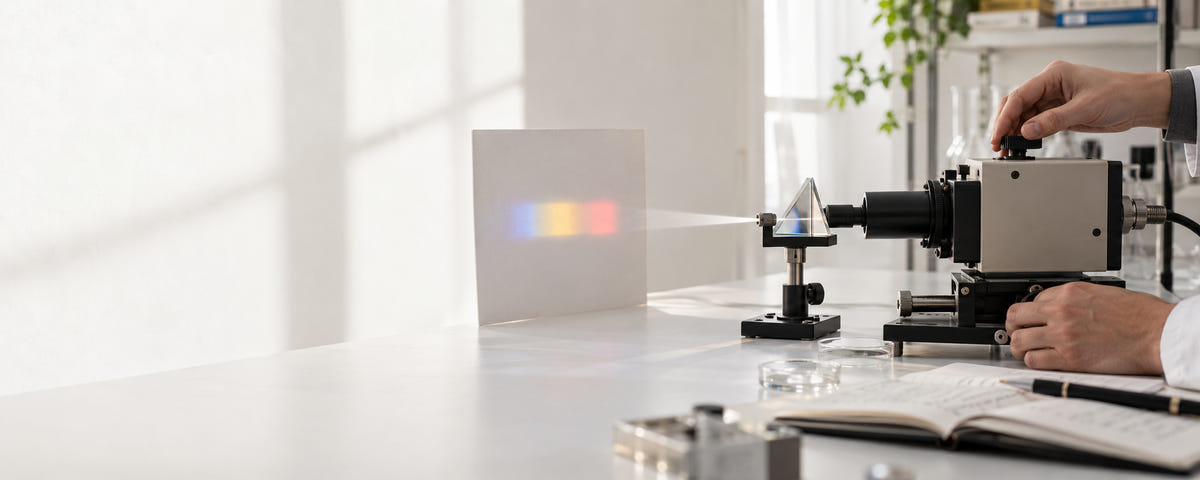
Visible red around 630–670 nm is often studied for skin and surface applications. Near-infrared around 810–850 nm can travel relatively further through tissue under comparable conditions. Human outcomes must be tested for each use. So 660 and 850 nm are not a magic universal pairing, while 810 or 830 nm is not proven always superior either.
Why combine them?
Red and NIR together are practical if you want to expose different areas without changing devices. Synergy for every combination has not been proven. Irradiance, distance, duration and light distribution matter too. A tissue model shows how wavelength and beam width affect light at depth.
Our buying advice
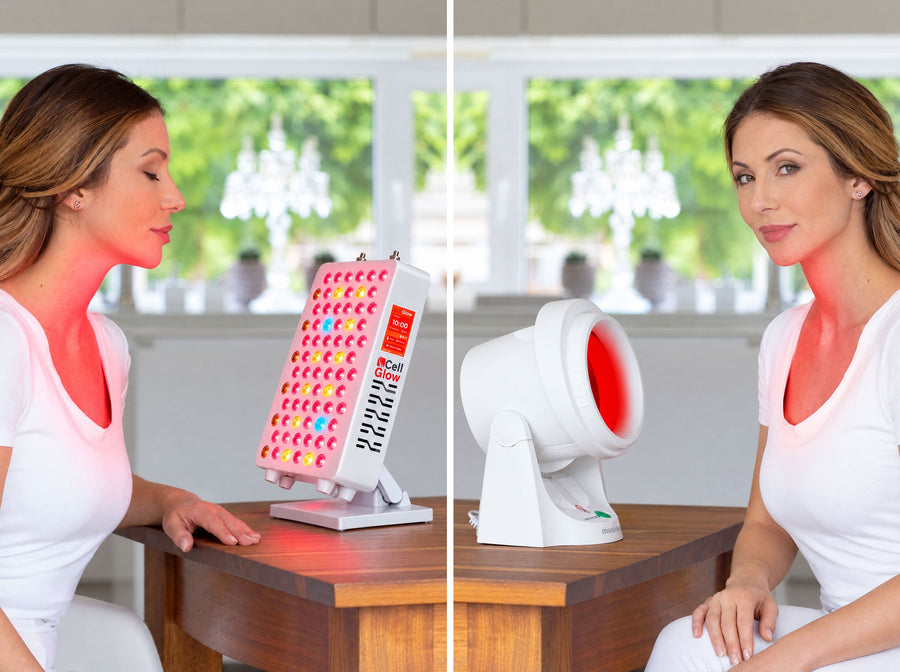
Cell Glow Custom panels let you adjust wavelengths and red/NIR separately. This is useful for both skin and larger body areas. Choose panel size for the area first, maintain a repeatable distance, then refine wavelengths. The benefit is control and convenience, not an unsupported claim that more colours treat every condition better.